Your Complete Guide to Professional Land Clearing Services: What to Anticipate and Why It Matters
Effective land clearing services play a critical role in preparing sites for diverse projects. Professionals ensure that obstacles are cleared and soil is managed properly. This process includes a thorough assessment of the site and following safety protocols. Understanding what to expect from these services is essential. It can substantially influence project success and environmental compliance. However, various factors are involved when picking the right service provider.
Comprehending the Land Clearing Procedure
Site preparation through land clearing is a fundamental process for construction or agricultural development. The procedure includes eliminating trees, bushes, and various plant life to establish a functional space. Efficient clearing procedures are important as they create the base for future development or farming endeavors. It helps in eliminating obstacles that could impede construction or cultivation, ensuring that the land is leveled and accessible.
Prior to starting the procedure, a detailed assessment of the site is performed to determine any environmental concerns, such as protected species or wetlands. This assessment directs the planning phase, which includes procuring required permits. The land clearing process can range in complexity based on the size of the area and the density of vegetation. Finally, successful land clearing facilitates better soil management and prepares the land for infrastructure or agricultural use, making it an vital component of any construction or farming project.
Core Methods Applied in Land Clearing
The process of land clearing uses several techniques to successfully remove vegetation and condition land for development. Primary techniques include mechanical land clearing, which employs heavy machinery, and manual clearing methods that depend on hand tools. Additionally, environmental considerations play a significant role in establishing the approach taken to verify sustainable practices are followed.
Equipment-Based Land Clearing Techniques
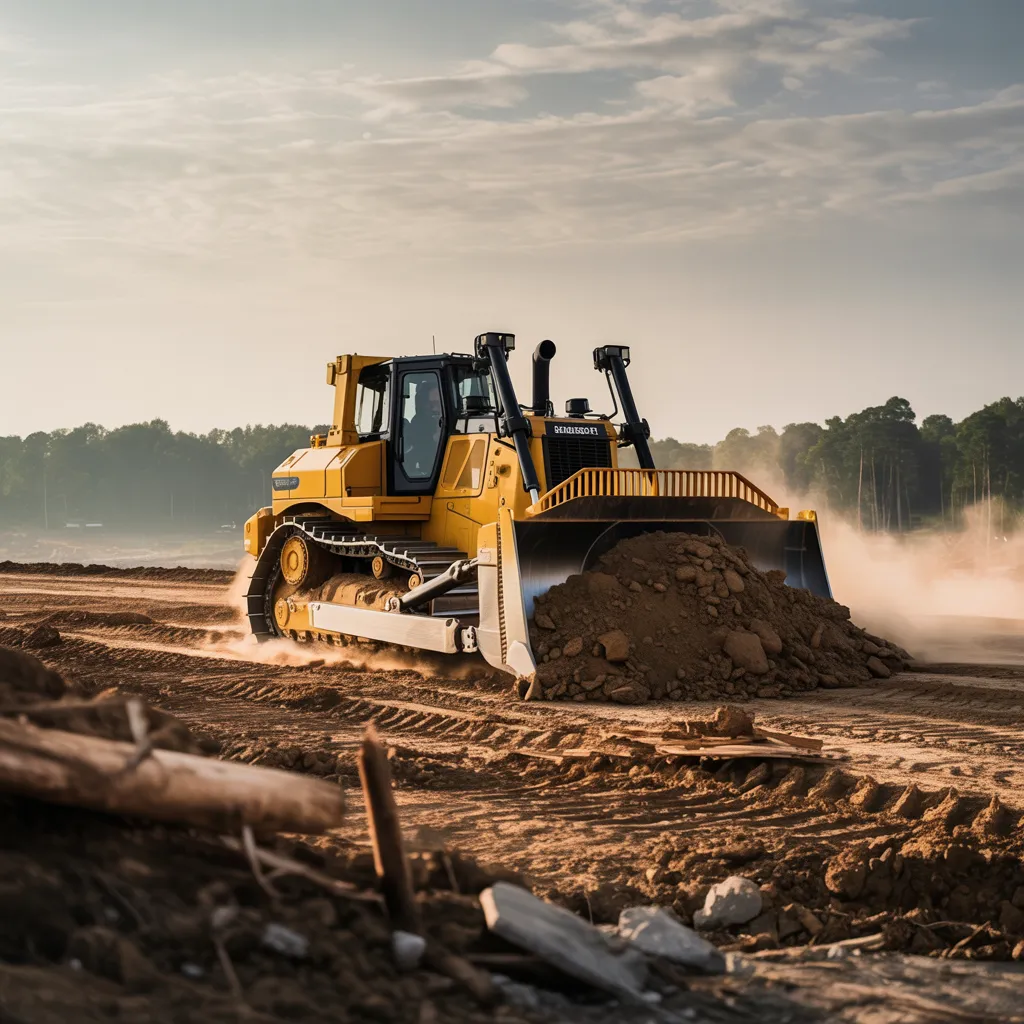
Various mechanical land clearing approaches are used to efficiently prepare land for various projects, ranging from agriculture to construction. One frequently-employed technique is the use of bulldozers, which push substantial volumes of vegetation and debris aside, creating a clean surface. Mulching machines are also widely used; they shred trees and brush into fine mulch, which can increase soil quality. Excavators equipped with specialized attachments can uproot trees and stumps, supporting quicker removal. In addition, skid steers and tracked vehicles provide versatility in moving through rough terrain while clearing land. Each method is chosen based on the specific requirements of the project, taking into account factors such as land type, vegetation density, and environmental impact to provide effective and sustainable clearing practices.
Manual Removal Techniques
Manual land clearing continues to be a valuable technique, especially in areas where machinery might be impractical or where a more delicate approach is required. Manual clearing approaches include tools such as axes, saws, and machetes, which enable workers to target specific plants and trees without damaging the surrounding environment. Hand-pulling invasive species is another effective technique, enabling the removal of roots to prevent regrowth. Additionally, brush clearing can be performed with handheld trimmers, ensuring precise removal of underbrush. This approach is particularly advantageous in urban areas or sensitive ecosystems where minimizing disturbance is critical. Manual methods not only promote a thorough clearing process but also foster a connection with the land, enabling for careful planning of future land use.
Environmental Factors in Site Clearing
While many techniques exist for land clearing, environmental factors serve an important function in identifying the most suitable methods. Sustainable practices, for example selective clearing and controlled burns, strive to decrease ecosystem disruption. Employing machinery engineered for low ground pressure can minimize soil compaction, maintaining the integrity of the land. In addition, incorporating erosion control measures, including silt fences and vegetation buffers, assists in safeguarding water quality in surrounding water sources. The timing of clearing activities is similarly vital; preventing work during nesting seasons for local wildlife can lessen harm to native species. Beyond this, assessing the potential for invasive species spread is vital in conserving biodiversity. Ultimately, a well-considered approach to land clearing harmonizes development goals with environmental stewardship.
Advantages of Professional Land Clearing Solutions
Professional land clearing services offer significant benefits, including strengthened safety measures and improved efficiency. By utilizing skilled teams and specialized equipment, these services reduce risks related to land clearing projects. Additionally, they conserve time and cut costs, ensuring a more efficient process for property development.
Advanced Protection Measures
Many benefits result from utilizing professional land clearing services, especially with respect to enhanced safety measures. Professionals utilize specialized equipment designed to handle hazardous materials and large debris, decreasing risks associated with manual labor. Their training provides adherence to safety protocols, reducing the likelihood of accidents on site. By evaluating the land's condition, they identify potential hazards, such as unstable ground or hidden obstacles, which would otherwise pose dangers to untrained individuals. Furthermore, professionals are equipped to manage environmental concerns, ensuring compliance with learn now local regulations that protect both workers and the surrounding ecosystem. In the end, hiring experts for land clearing not only shields the workforce but also results in a secure and efficient operation, facilitating a safer environment for future development.
Time and Cost Efficiency
Countless property owners find that hiring professional land clearing services substantially enhances both time and cost efficiency. Professionals bring professional equipment and expertise, permitting them to complete projects more quickly than untrained individuals. This efficiency lowers labor costs and minimizes delays, which can inflate expenses. Furthermore, professional services often have access to resources and techniques that streamline the clearing process, guaranteeing that the job is done correctly the first time, further saving money. By trusting experienced teams, property owners minimize the risk of costly mistakes, such as damage to surrounding areas or improper disposal of debris. Finally, investing in professional land clearing not only hastens the process but also proves economically advantageous in the long run.
Considerations to Keep in Mind When Choosing a Land Clearing Business
When picking a land clearing company, what key factors should be examined to promise a successful project? Above all, the company's experience and reputation in the industry play a crucial role. Established companies often have a proven track record and can provide references. It is also important to evaluate the range of services offered; a thorough company should handle different tasks, from tree removal to debris disposal.
Price quotations ought to be clear and comprehensive, helping clients to recognize what they are paying for. Additionally, the equipment used by the company should be contemporary and regularly serviced to deliver optimal performance and results.
Proper licensing and insurance coverage are vital; a reputable company must comply with local laws and possess liability coverage to guard against potential losses. Finally, customer service and communication are vital indicators of a firm's dependability, assuring that clients remain aware throughout the land clearing process.
Safety Aspects in Land Clearing
Security considerations in land clearing are essential to achieving a prosperous and accident-free project. The process includes several risks, including possible injuries from heavy machinery, falling trees, and hazardous materials. It is imperative for land clearing companies to apply strict safety protocols, such as conducting comprehensive site assessments and identifying prospective hazards before beginning work.
Comprehensive training for operators is critical, as competent staff are better positioned to operate machinery securely and address emergency situations. Safety gear including helmets, gloves, and goggles should be worn by all workers on-site to lower safety risks.
Furthermore, preserving clear communication amongst team members boosts safety and coordination during operations. Conformity with local regulations and environmental protocols is also vital to stop accidents and ensure sustainable practices. By focusing on safety, land clearing projects can advance effectively, decreasing the risk of accidents and protecting both workers and the environment.
Expense Considerations and Budget Planning for Land Clearing Operations
Successful land clearing necessitates meticulous consideration of numerous cost factors that can significantly impact the overall budget of a project. Essential elements include the size and type of the land, which establish the amount of labor and equipment needed. Terrain conditions, such as the presence of rocks or wetlands, can also affect costs due to additional challenges.
Environmental assessments and permitting can result in fees, additionally impacting the budget. Additionally, clearing debris and vegetation may generate unexpected costs, especially if specialized handling is required.
Contractor fees vary based on expertise and gear quality, so securing multiple quotes is advisable. Lastly, project timelines can impact costs; longer projects may generate additional labor and equipment rental charges. By understanding these factors, clients can better plan their budgets and achieve a smoother land clearing process.
Frequently Asked Questions
How Much Time Does an Average Land Clearing Project Require?
A standard land clearing project can take any duration from a few days to several weeks, depending on elements including the size of the property, vegetation type, accessibility, and the equipment used for land clearing.
Can Land Clearing Aid in Pest Control?
Certainly, land clearing can significantly help with pest control. By removing dense vegetation and debris, it decreases habitats for pests, thereby decreasing their populations and potential damage to agricultural areas and structures, promoting a better environment.
What Becomes of the Debris Following Land Clearing?
Following land clearing, debris may be hauled away, transformed into mulch, or incinerated, based on local laws. Strategic disposal approaches eliminate pest habitats and encourage environmental well-being, making certain the area is primed for planned building projects or landscaping work.
Is a Permit Required for Land Clearing Jobs?
Yes, permits are often required for land clearing projects. Regulations differ by jurisdiction, so it is crucial to check with local authorities to maintain compliance with zoning laws and environmental standards before initiating any clearing activities.
Is It Possible to Clear Land During the Rainy Season?
Land clearing activities during the rainy season are generally discouraged. Wet conditions can lead to soil erosion, compaction, and damage to equipment. It is recommended to consider weather forecasts and soil conditions prior to beginning such projects.